Project details
Location: Claremont Avenue, Urrbrae (Waite Campus)
Services provided
Interiors, Civic, Adaptive Reuse, Conservation Management + Heritage Assessment, Advisory Services
Project Overview
DASH Architects was engaged by the Department for Infrastructure and Transport (DIT) to undertake a highly complex heritage project involving a State Heritage-listed site. The site’s historic Gatehouse was directly impacted by significant road widening works at a major suburban intersection. Rather than accepting the loss of this culturally important structure, a decision was made to preserve it through relocation elsewhere within the site.
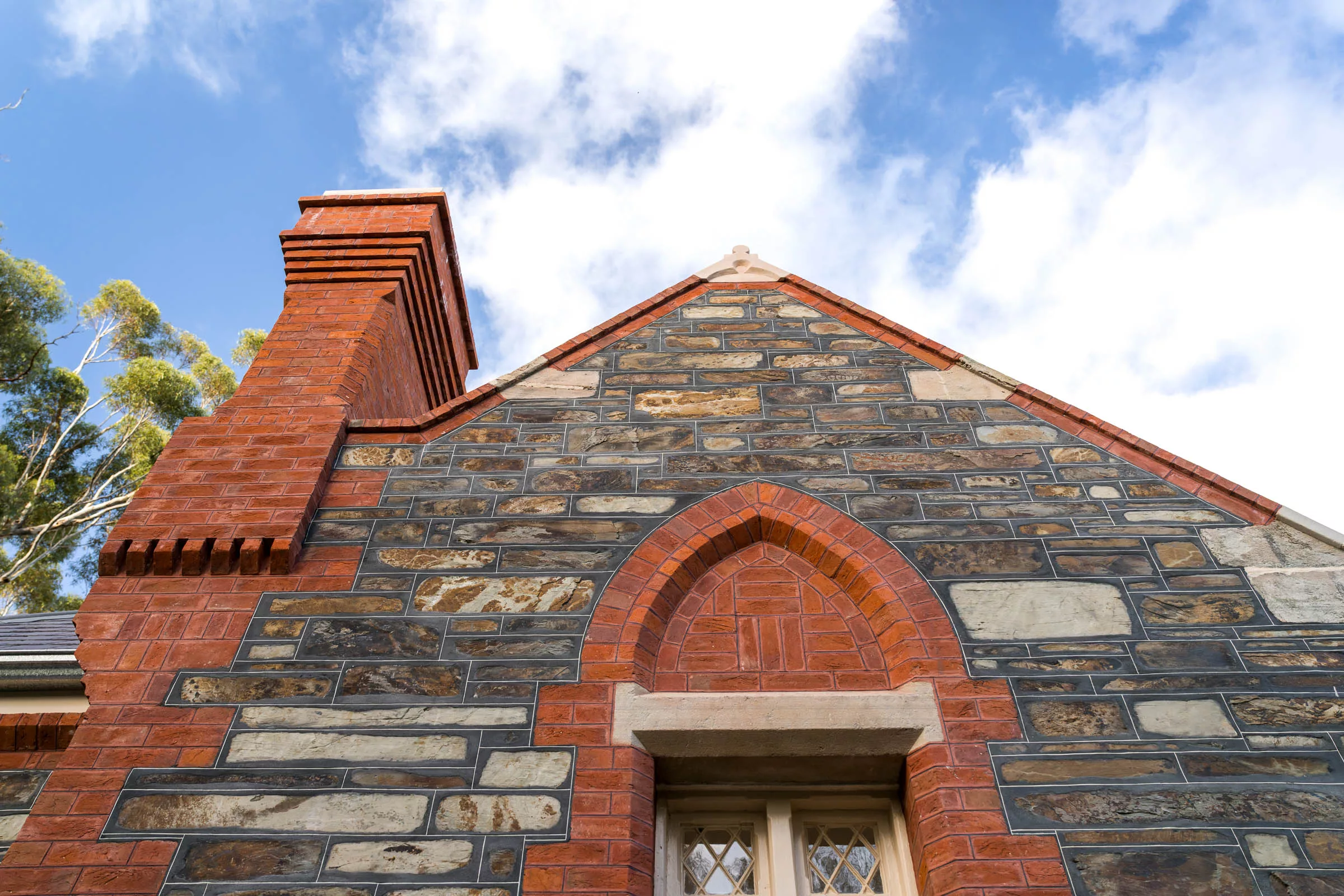
Several options were explored, including the possibility of relocating the Gatehouse intact. However, after careful consideration of structural and logistical challenges, the preferred solution was to meticulously dismantle the building and reconstruct it in a new location on the site.
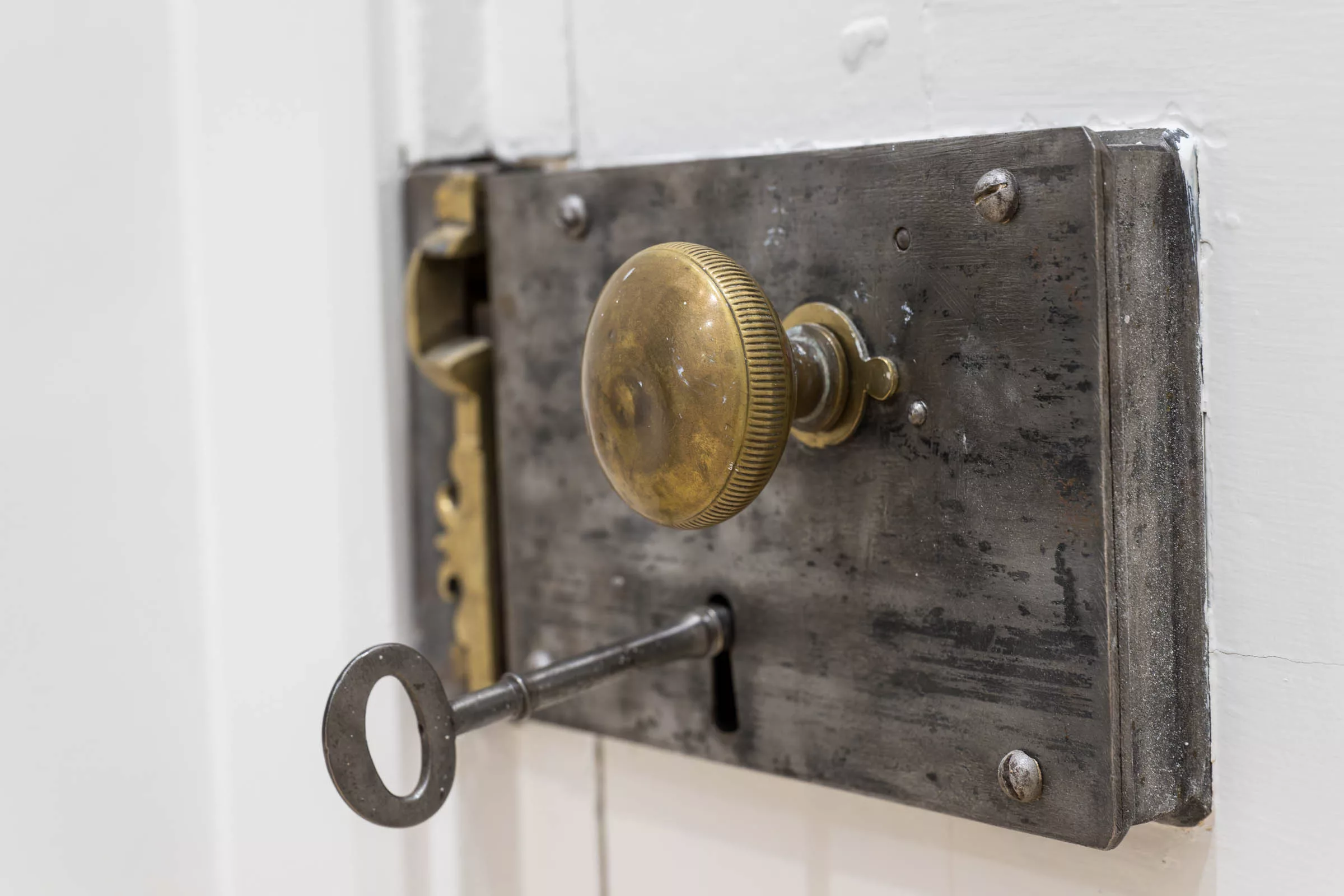
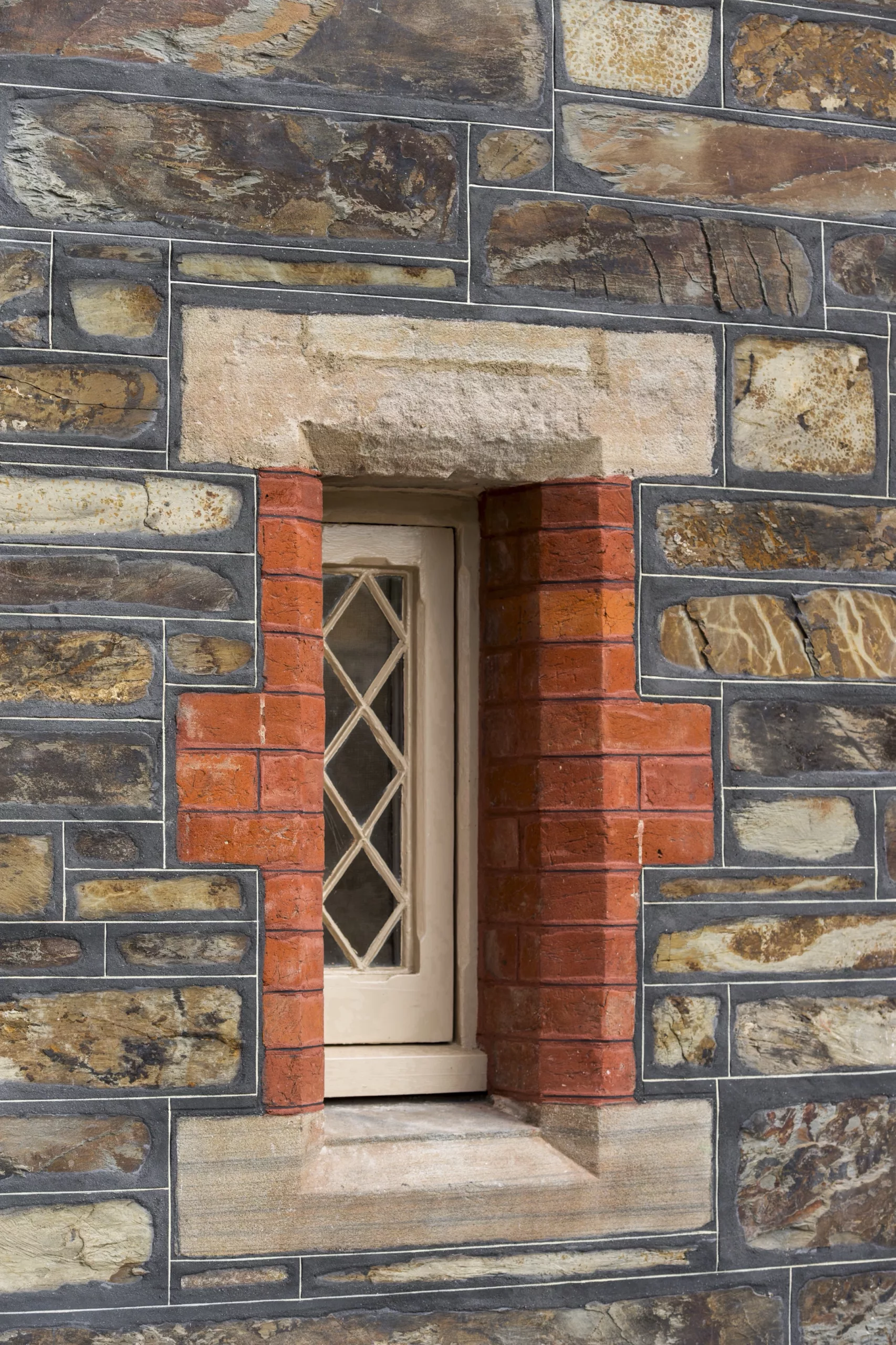
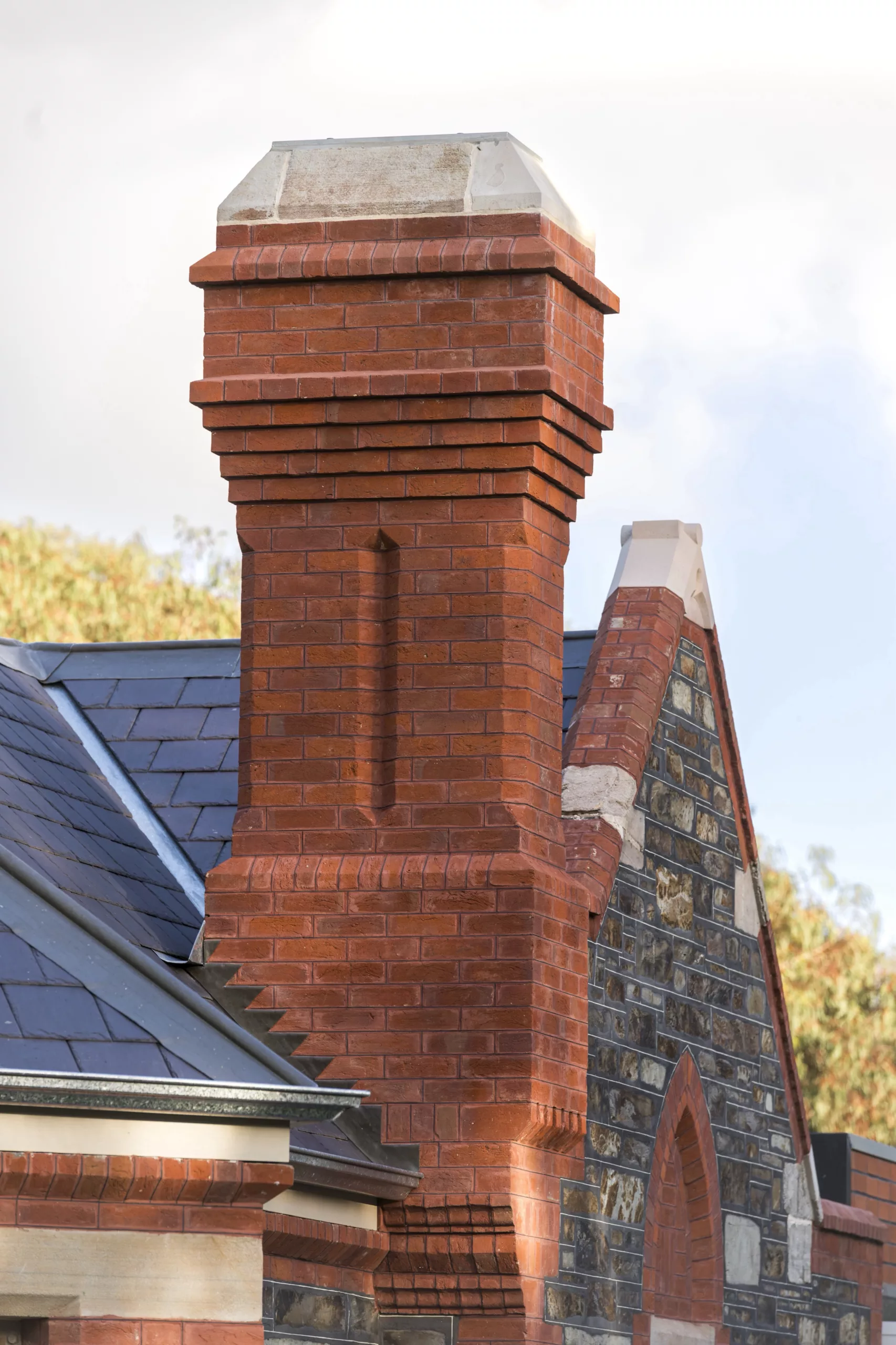
The documentation process was rigorous and detailed. Every aspect of the existing built form was measured, recorded, and assessed to identify which elements were of heritage significance and which could be adapted or replaced. This detailed record formed the foundation for the reconstruction process.
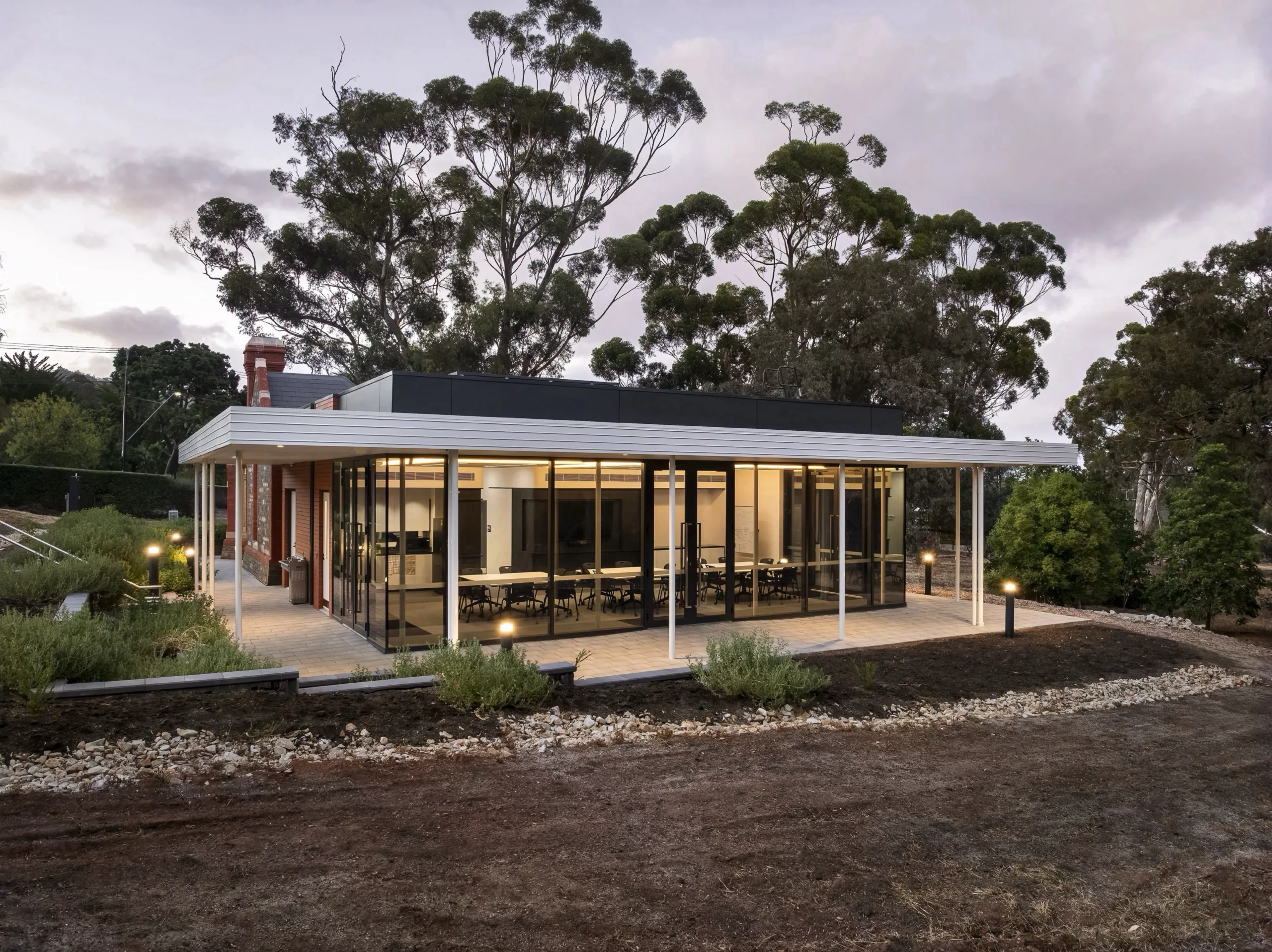
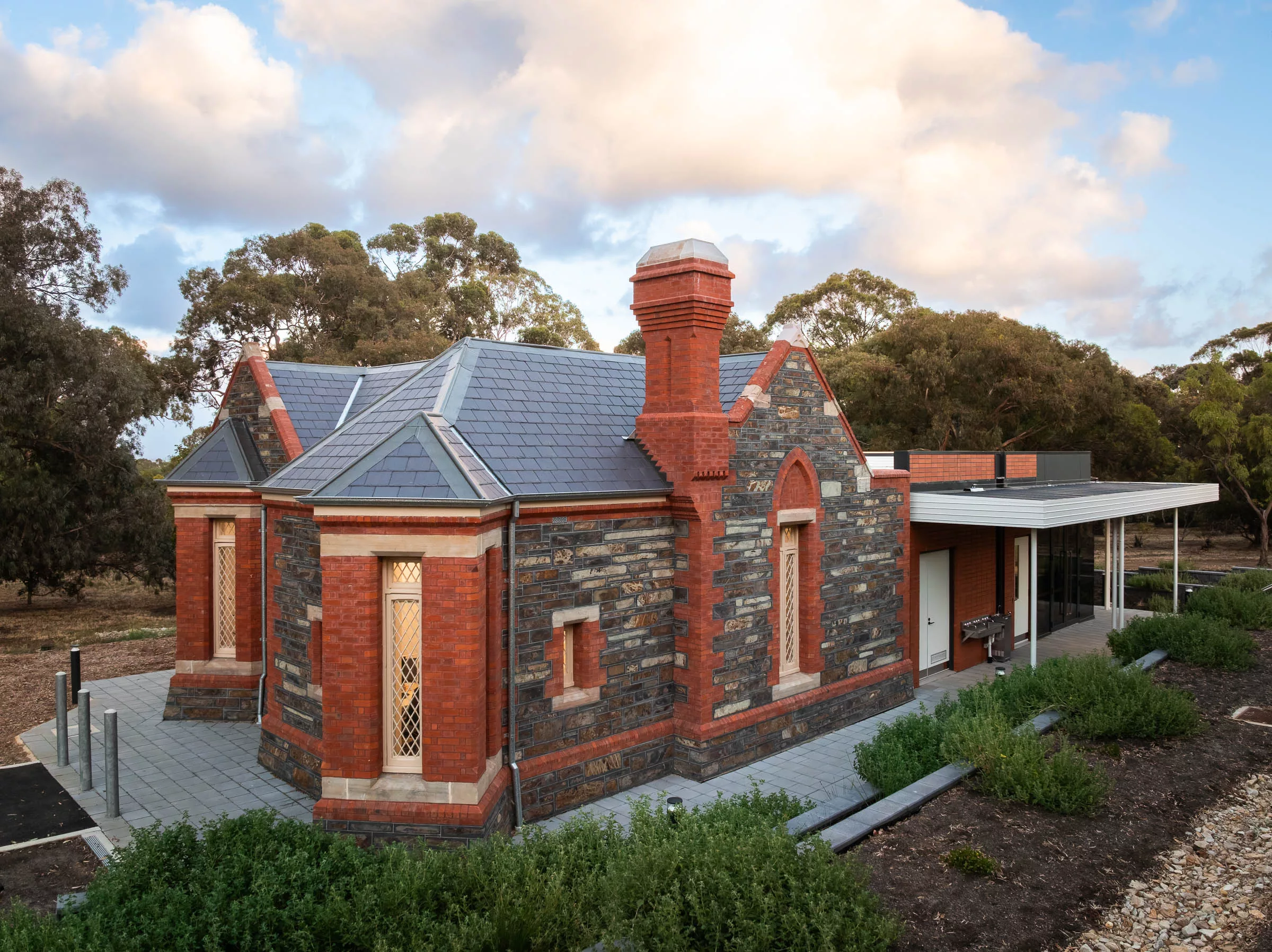
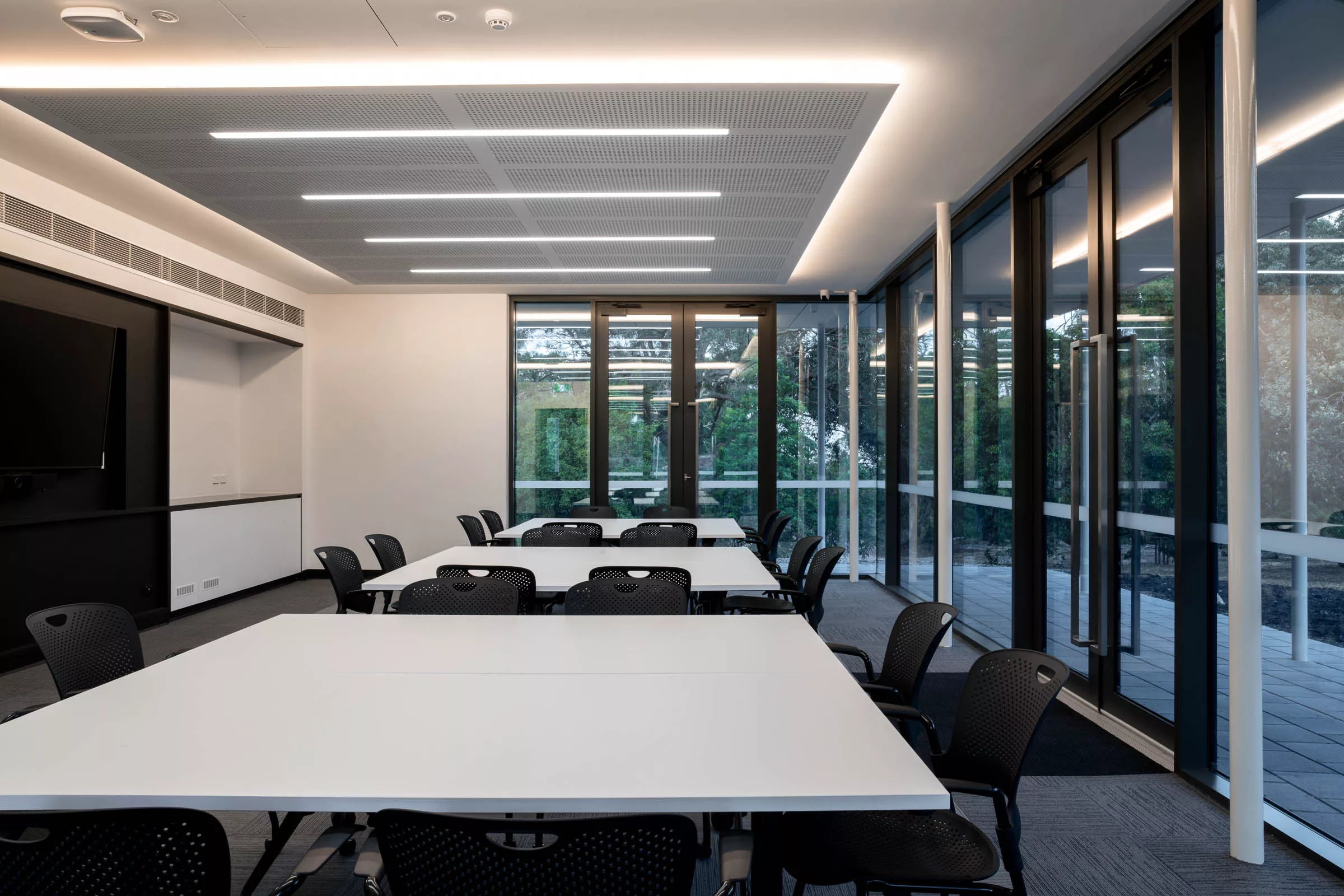
The design phase required reconciling the original heritage fabric with contemporary building codes, accessibility requirements, and current performance standards. The resulting scheme combined carefully reconstructed elements of the original Gatehouse with a sensitively designed contemporary addition that respected the building’s historic character while providing functionality suited to modern use.
The completed project presented a challenging exercise in heritage conservation, balancing authenticity, practicality, and innovation. The result is a remarkable demonstration of heritage craftsmanship and adaptive reuse — a project that not only preserved the Gatehouse’s tangible heritage but also reinterpreted its presence within a modern infrastructure setting.
Through this process, DASH Architects has showcased its expertise in managing the delicate interface between preservation and progress — ensuring that a valued piece of the state’s built heritage continues to contribute meaningfully to its evolving urban context.